
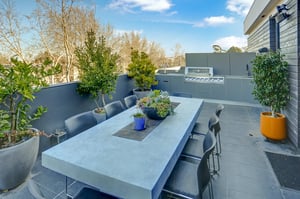
Your outdoor kitchen should be the heart of your entertaining space for years to come. But in Australia, the combination of intense UV exposure, coastal salt air, moisture, and extreme heat can cause rapid deterioration if your kitchen isn't designed and built with these conditions in mind. LimeTree Alfresco builds outdoor kitchens to withstand Australian conditions and this guide walks you through exactly what causes premature wear and how to prevent it.
From material selection to installation quality and ongoing maintenance, each element plays a role in determining whether your outdoor kitchen lasts five years or twenty-five.
By the end of this guide, you'll understand the key deterioration drivers and have a clear prevention checklist to protect your investment.
Key Takeaways: Stop Outdoor Kitchen Deterioration in Australia
- UV radiation, salt air, heat, and moisture are the four main causes of outdoor kitchen deterioration in Australian conditions.
- Choosing UV-stable, non-porous materials like Corian benchtops and anodised aluminium frames significantly extends your kitchen's lifespan.
- LimeTree Alfresco uses 316 marine-grade screws and proprietary heat shields to protect against corrosion and BBQ-related heat damage.
- Poor installation quality can lead to water ingress, structural weakness, and void warranties - always engage an experienced specialist.
- A seasonal maintenance schedule including cleaning, inspection, and resealing helps prevent small issues from becoming costly repairs.
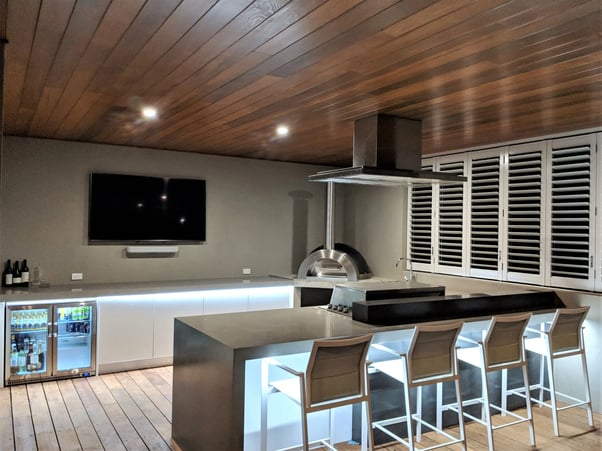
What Causes Outdoor Kitchens to Deteriorate in Australia?
Australian outdoor kitchens face a unique set of environmental challenges that can accelerate wear and tear. Understanding these deterioration drivers helps you make informed decisions during the design and build process.
The primary culprits are UV radiation, salt air exposure (especially in coastal areas), moisture penetration, and extreme heat from both the sun and BBQ appliances. Each of these factors attack different components of your outdoor kitchen in different ways.
How Does UV Damage Outdoor Kitchen Materials?
Australia has some of the highest UV levels in the world. This intense sun exposure causes fading, chalking, and brittleness in materials not rated for outdoor use.
Cabinetry made from standard indoor-grade materials will quickly lose colour and structural integrity.
Why Is Salt Air a Problem for Coastal Outdoor Kitchens?
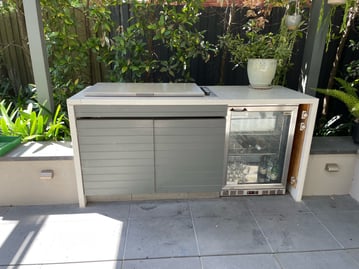
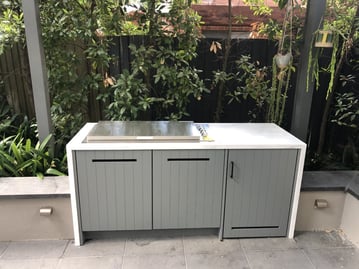
Salt-laden air accelerates corrosion of metal components, particularly hinges, screws, handles, and appliance surfaces. Standard stainless steel (304 grade) will show rust spots and pitting in coastal environments.
This corrosion isn't just a cosmetic issue it weakens structural fasteners and can cause drawer slides, hinges, and cabinet frames to fail prematurely.
How Does Moisture Cause Outdoor Kitchen Deterioration?
Water is one of the most destructive forces for outdoor kitchens. Rain, humidity, and condensation can seep into unsealed joints, cabinet interiors, and porous surfaces.
Once moisture gets into the wrong places, it causes swelling, warping, delamination, and mould growth. Timber components are particularly vulnerable, as are cabinets built with standard MDF or particle board substrates.
How to Choose Materials That Resist Australian Weather Conditions
The right material choices are your first line of defence against premature deterioration. Not all outdoor kitchen materials are created equal, and Australian conditions demand premium, weather-resistant options.
Focus on materials that offer UV stability, corrosion resistance and moisture impermeability. Here's what to look for in each component of your outdoor kitchen.
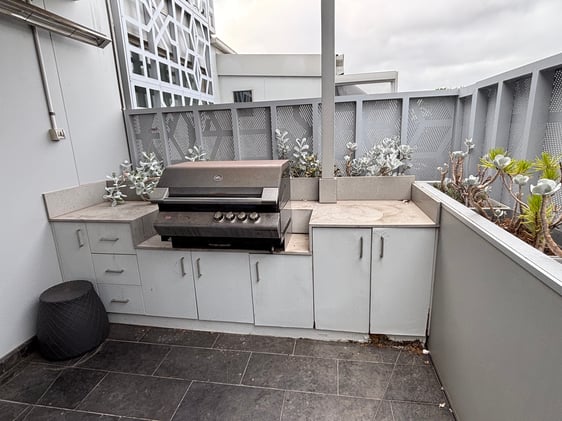
What Benchtop Materials Work Best for Australian Outdoor Kitchens?
Your benchtop takes the most direct abuse from the sun, heat, and spills. Non-porous, UV-stable materials perform best in Australian conditions.
LimeTree Alfresco uses Corian benchtops because they're non-porous, UV-stable, and won't fade or stain under harsh conditions. Unlike porous natural stones that require regular sealing, Corian maintains its appearance with minimal upkeep.
Which Cabinet Frame Materials Last Longest Outdoors?
Cabinet frames need to resist moisture, heat expansion, and UV degradation without warping or corroding. Avoid timber frames and standard steel in outdoor applications.
External-grade anodised aluminium frames offer excellent durability. The anodising process creates a hard, corrosion-resistant surface that won't peel, crack, or fade like powder coating can over time.
Why Do Fastener and Hardware Choices Matter?
The screws, hinges, and drawer slides holding your outdoor kitchen together are often overlooked but they're critical failure points. Standard zinc-plated or 304-grade stainless fasteners will corrode in coastal and humid environments.
LimeTree Alfresco specifies 316 marine-grade decking screws as standard, along with quality Hettich hardware for drawers and storage systems. These components resist salt air corrosion and maintain smooth operation for years.
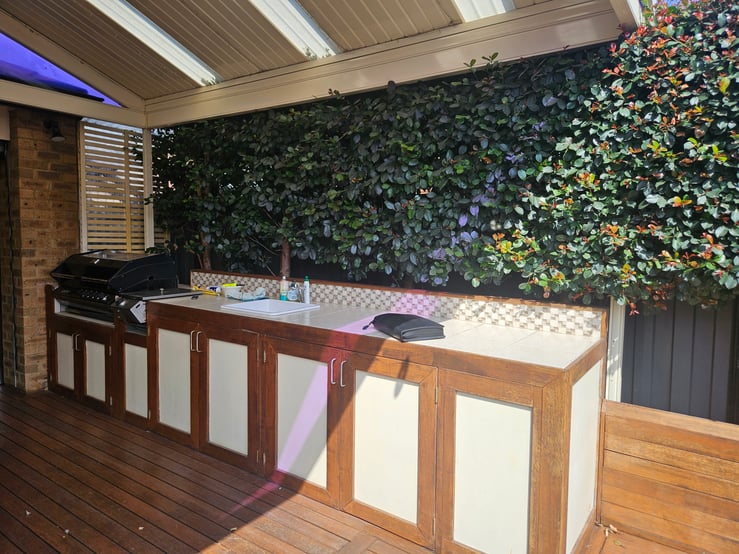
Why Installation Quality Determines Outdoor Kitchen Longevity
Even the best materials will fail if they're installed incorrectly. Poor workmanship creates entry points for moisture, leads to structural issues, and can void manufacturer warranties.
Proper installation requires understanding how materials behave in outdoor conditions including thermal expansion, drainage requirements, and weatherproofing techniques.
What Installation Mistakes Lead to Early Deterioration?
Common errors include inadequate drainage around the kitchen base, improper sealing of joints and edges, and the use of indoor-rated materials in exposed locations.
Failing to allow for thermal movement can cause benchtops to crack. Installing appliances without proper ventilation leads to heat damage to the surrounding cabinetry. Each shortcut during installation becomes a potential failure point down the track.
How Can You Verify Installation Quality?
Look for specialists who follow manufacturer specifications and building codes. Ask about their approach to drainage, weatherproofing, and heat management around BBQ appliances.
LimeTree Alfresco has delivered over 1,788 outdoor kitchen projects with a specialist team that holds 75 years of combined experience. This track record demonstrates consistent quality workmanship that protects your investment over time.
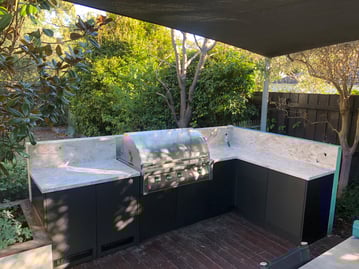
How Does Heat from BBQs Damage Outdoor Kitchen Cabinetry?
The heat generated by BBQs, pizza ovens, and other cooking appliances can reach extremely high temperatures. Without proper protection, this radiant heat damages adjacent cabinetry, benchtops, and even structural components.
Standard materials can warp, discolour, or degrade when exposed to repeated heat cycling. This is why heat management is a critical design consideration.
What Heat Protection Solutions Work Best?
Effective heat protection requires physical barriers between appliances and cabinetry. Simple air gaps aren't always sufficient, especially for high-output BBQs and pizza ovens.
LimeTree Alfresco installs a proprietary heat shield system to protect cabinet interiors and benchtop undersides from BBQ heat damage. This purpose-designed solution maintains safe temperatures for surrounding materials during cooking.
How to Maintain Your Outdoor Kitchen to Prevent Deterioration
Regular maintenance extends the life of your outdoor kitchen and helps you catch small issues before they become major problems. A structured maintenance schedule keeps your kitchen looking and performing at its best.
The good news is that well-built outdoor kitchens using quality materials require relatively minimal upkeep. Here's a practical maintenance checklist to follow.
What Should a Seasonal Maintenance Schedule Include?
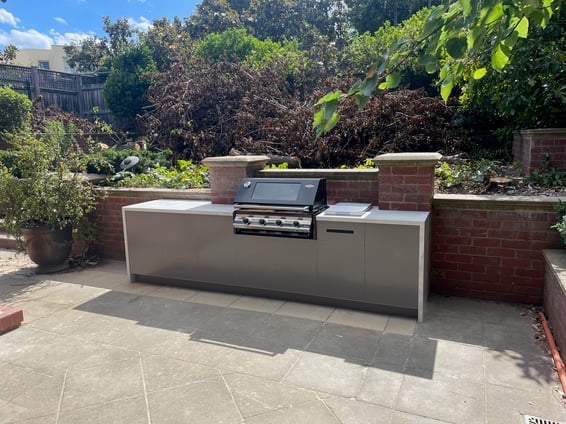
Every few months, inspect your outdoor kitchen for signs of wear, damage, or corrosion. Check hinges and drawer slides for smooth operation, and look for any rust spots on metal components.
Clean benchtops and cabinet surfaces with appropriate cleaners for your material type. For Corian benchtops, a simple wipe-down with mild soap and water is sufficient. Avoid abrasive cleaners that can damage protective surfaces.
How Can You Protect Appliances from Weather Damage?
Use fitted covers for your BBQ, outdoor fridge, and other appliances when not in use. Even weather-rated appliances benefit from protection against direct sun and rain exposure.
For gas appliances, check connections and hoses annually for wear or damage. Keep burner ports clean to ensure proper combustion and prevent heat damage from irregular flames.
What Warranty Protection Should You Expect for an Outdoor Kitchen?
A meaningful warranty demonstrates the manufacturer's confidence in their materials and workmanship. Look for warranties that specifically cover outdoor use conditions.
Many modular or DIY outdoor kitchen solutions offer limited warranties that don't account for UV exposure, moisture, or coastal environments. Purpose-built outdoor kitchens from specialists typically carry more protective coverage.
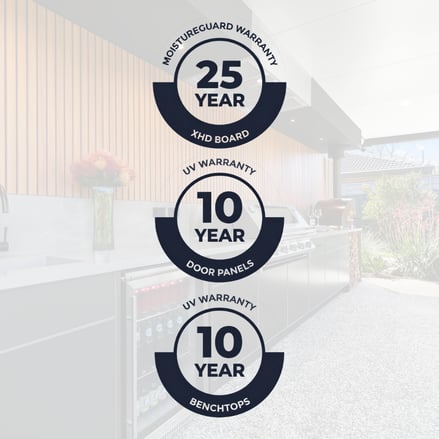
LimeTree Alfresco backs its work with up to a 25-year written limited warranty, reflecting the durability built into every installation. This long-term protection gives you confidence that your outdoor kitchen investment is secure.
In Summary: Protecting Your Outdoor Kitchen Investment in Australia
Preventing premature deterioration in your outdoor kitchen comes down to three factors: material selection, installation quality, and ongoing maintenance. Each element works together to protect your investment against Australia's challenging climate.
Choose UV-stable, corrosion-resistant, and heat-tolerant materials designed specifically for outdoor conditions. Engage experienced specialists who understand weatherproofing, drainage, and heat management. Then follow a simple maintenance schedule to keep everything in top condition.
With the right approach, your outdoor kitchen will serve as your entertaining hub for decades - not just a few summers.
FAQs About Outdoor Kitchen Deterioration in Australia
What is the main cause of outdoor kitchen deterioration in Australia?
UV radiation is the leading cause of deterioration for outdoor kitchens in Australia. The intense Australian sun causes fading, cracking, and brittleness in materials not rated for outdoor use.
However, deterioration is typically caused by a combination of UV, moisture, heat, and salt air exposure working together over time.
How long should a well-built outdoor kitchen last in Australian conditions?
A quality outdoor kitchen built with appropriate materials and proper installation should last 15-25 years or longer with regular maintenance.
LimeTree Alfresco designs outdoor kitchens to withstand Australian conditions for decades, using durable materials like Corian benchtops and anodised aluminium frames backed by up to a 25-year warranty.
Can I use indoor kitchen materials for an outdoor kitchen?
No. Indoor kitchen materials will deteriorate rapidly when exposed to outdoor conditions. Standard MDF cabinets will swell and warp with moisture. Indoor laminate surfaces will fade and peel under UV exposure.
Always specify materials rated for external use, including UV-stable finishes, marine-grade fasteners, and non-porous benchtop surfaces.
How do I protect my outdoor kitchen in coastal areas?
Coastal outdoor kitchens require extra corrosion protection due to salt air exposure. Specify 316 marine-grade stainless steel for all fasteners and hardware. Rinse exposed surfaces regularly to remove salt deposits.
LimeTree Alfresco uses 316 marine-grade decking screws as standard, making their outdoor kitchens well-suited for coastal environments across Australia.
What maintenance does an outdoor kitchen need?
Regular cleaning after use, seasonal inspections for wear or damage, and periodic resealing of porous surfaces (if applicable) form the core maintenance requirements.
Quality outdoor kitchens using non-porous materials like Corian require minimal maintenance, just routine cleaning and occasional hardware checks keep everything functioning smoothly.
