
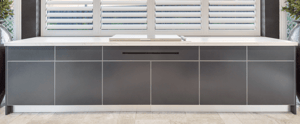
Planning an outdoor kitchen in Australia often comes down to one question: custom or modular? Both options can work well, but the right choice depends on your space, budget, appliance needs, and how well the materials handle Australian conditions.
This guide compares custom vs modular outdoor kitchens in Australia across design flexibility, durability, installation, cost, and maintenance.
Key Takeaways: Custom vs Modular Outdoor Kitchens in Australia
- Custom outdoor kitchens are built around your space and usually offer more flexibility for layout, finishes, and appliances.
- Modular outdoor kitchens use pre-made units and can be faster and simpler to plan or install.
- In Australian conditions, outdoor-rated materials matter regardless of which option you choose.
- Long-term value depends on material quality, installation, warranty, and maintenance, not just the starting price.
- The best option depends on whether you prioritise flexibility, speed, budget, or durability.
What Is a Custom Outdoor Kitchen?
A custom outdoor kitchen is designed specifically for your home. Layout, storage, finishes, and appliance placement are tailored to your space and how you plan to use it. This can suit homes with unusual layouts, specific appliance requirements, or a clear design vision. It also gives you more control over materials, which can be important in coastal or high-exposure areas.
What Is a Modular Outdoor Kitchen?
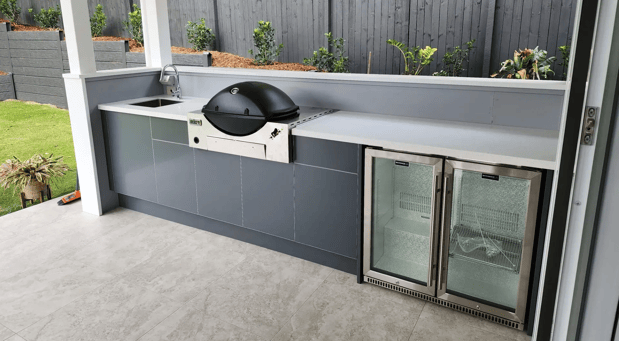
A modular outdoor kitchen uses pre-manufactured units arranged to create a cooking area. These systems often include cabinets for BBQs, sinks, fridges, and storage in standard sizes. They can be a practical option if your space suits the available module sizes and you want a simpler, faster setup. The trade-off is usually less flexibility in layout and appliance integration.
How Do Custom and Modular Outdoor Kitchens Compare on Durability?
Durability matters in Australia, where outdoor kitchens face strong UV, heat, rain, humidity, and in some areas, salt air.
-
Material Quality in Custom Builds
Custom kitchens let you choose materials based on your local conditions. That may include marine-grade hardware, UV-stable cabinetry, and heat protection around built-in BBQs. Some builders, including LimeTree Alfresco, use features such as anodised aluminium frames, 316 marine-grade hardware, and heat shield systems to improve long-term performance.
-
Material Considerations for Modular Systems
Modular kitchens vary by manufacturer. Some use high-quality outdoor-rated materials, while others may be better suited to sheltered locations. When comparing options, check whether the materials are rated for UV, heat, moisture, and coastal exposure where relevant.
Design Flexibility: Customisation Options for Your Space
Design flexibility is one of the biggest differences between the two options.
-
Custom Design Possibilities
Custom outdoor kitchens are designed around your space, which can help if you have an unusual patio, want a specific layout, or need to work around existing features. They also make it easier to choose your preferred finishes and storage options.
-
Modular Layout Limitation
Modular systems work within a set range of unit sizes and configurations. That can be perfectly suitable for standard spaces, but less ideal if your area has unusual dimensions or you want a highly tailored design.
What Appliances Can You Include in Your Outdoor Kitchen?
The appliances you want will significantly influence whether a custom or modular approach suits you better. Think about how you cook, how often you entertain, and what equipment you need to achieve your culinary goals.
-
Appliance Integration in Custom Builds
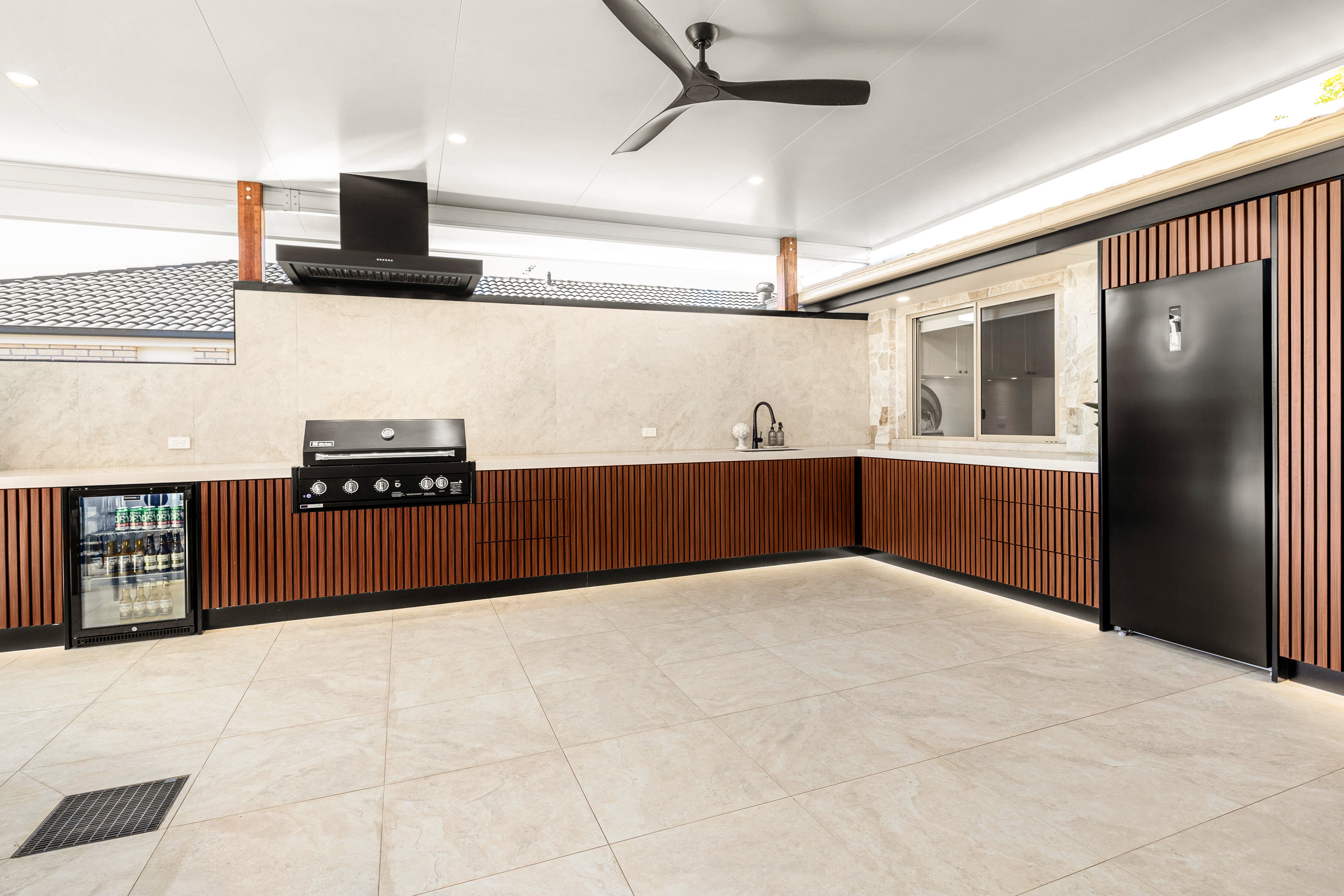
Custom kitchens usually allow more flexibility for BBQs, smokers, pizza ovens, sinks, fridges, and customer-supplied appliances. This can be useful if you want a specific brand or a more personalised cooking setup.
-
Appliance Options with Modular Systems
Modular kitchens often support a narrower appliance range, either through fixed cut-outs or preferred compatible brands.
Understanding the True Cost of Each Option
The cost comparison between custom and modular outdoor kitchens isn't as straightforward as comparing base prices. Understanding what's included and what delivers genuine long-term value helps you make a sound investment decision.
-
What Influences Custom Build Pricing
Custom outdoor kitchen pricing varies based on several factors: the size and complexity of the design, the materials selected, the appliances included, and the site conditions. A larger kitchen with premium benchtops and multiple integrated appliances will cost more than a compact design with basic finishes.
LimeTree Alfresco offers flexible HandiPay payment plans, making custom outdoor kitchens more accessible for homeowners who want quality construction without paying everything upfront. A free discovery call gets you expert advice, design drawings, and cost estimates with no obligation.
-
Modular Pricing Considerations
Modular kitchens often cost less initially, but total cost can still include delivery, installation, site preparation, and trades. It is also worth considering long-term repair or replacement costs if materials are not suited to Australian conditions.
Warranties and Long-Term Protection
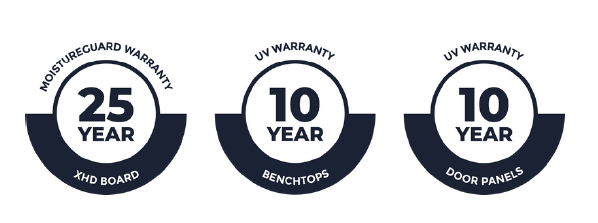
Your outdoor kitchen is a significant investment, and warranty coverage gives you important protection. The length and comprehensiveness of warranties vary substantially between builders.
In Conclusion: Making the Right Choice for Your Australian Home
There is no single best option for every home. A custom outdoor kitchen may suit you better if flexibility, layout control, and appliance choice are most important. A modular outdoor kitchen may be the better fit if you want a simpler, faster, or lower-cost solution.
For Australian homes, the most important factor is choosing materials and construction methods that can handle the local climate.
